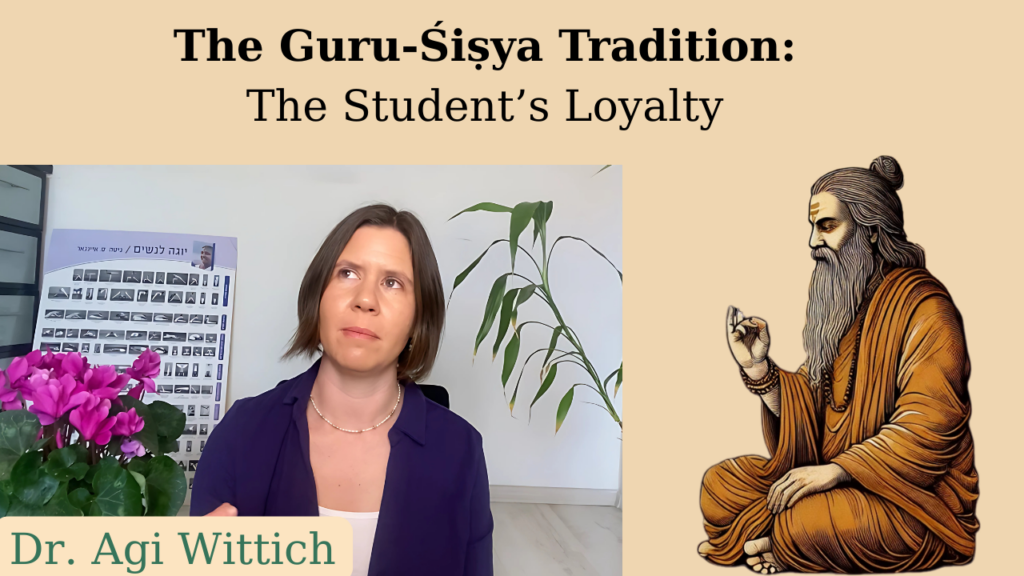
TThis talk is the second in our three-part exploration of the guru–śiṣya (teacher–student) tradition, focusing on how wisdom can emerge from unexpected places. We will look beyond the formal classroom or traditional teacher, asking: Where else can we learn? How do challenges, opposition, and direct experience shape understanding?
Through three revolutionary stories from the Bhāgavata Purāṇa, Rāmāyaṇa, and Mahābhārata (400 BCE–1000 CE), we explore lessons that defy conventional models of knowledge:
Dattatreya, who found twenty-four teachers in nature, demonstrating that wisdom is all around us.
Lakṣmaṇa, learning from his enemy Rāvaṇa, revealing how insight can emerge even from opposition.
Bhīṣma, sharing profound teachings from his bed of arrows, showing that life’s limits can become fertile ground for learning.
These texts illustrate a period when traditional knowledge transmission was complemented by new, experiential approaches — emphasizing observation, engagement, and unconventional sources of guidance.
For yoga practitioners today, these narratives validate learning outside formal structures and provide practical guidance for finding teachers in every aspect of life — in nature, in challenges, and even in conflict. For teachers, they inspire innovative methodologies and ways to help students recognize the richness of learning opportunities around them.
As modern yoga grapples with questions of authenticity, lineage, and innovation, these stories remind us that the tradition itself has always embraced multiple pathways to wisdom. This talk offers tools for transforming everyday experiences into teaching moments and cultivating insight for yourself and those you guide.
Access to this lecture is available for 3 months from the date of purchase.
Agi Wittich PhD
Agi Wittich is a yoga practitioner since two decades, and is a certified Iyengar Yoga teacher. Wittich studied Sanskrit and Tamil at the Hebrew University of Jerusalem, Israel, completing a PhD with a focus on Hinduism, Yoga, and Gender. She has published academic papers exploring topics such as Iyengar yoga and women, the effects of Western media on the image of yoga, and an analysis of the Thirumanthiram yoga text.