The Body as Temple
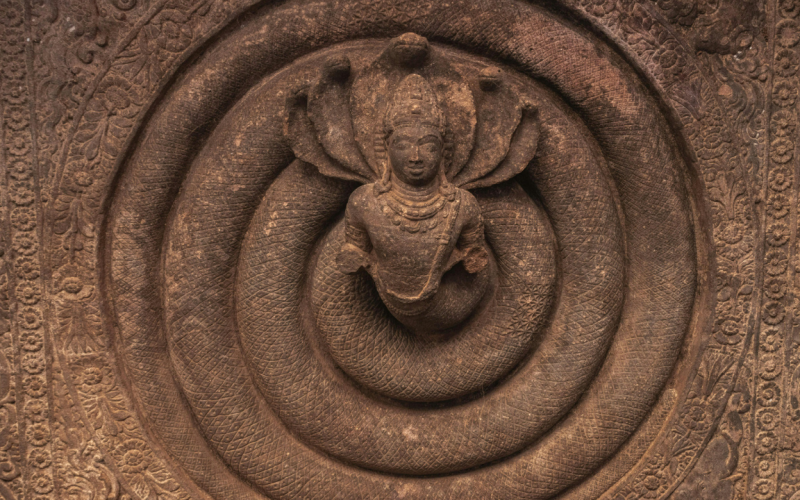
Brahmapurī and the Yogic Architecture of the Self When we practice yoga, we often hear that “the body is a temple.” But what does this metaphor actually mean within the yogic tradition? And why does B.K.S.
Knowledge, Practice, and Healing
Namaste,
Here you’ll find a collection of free resources I’ve created and curated to support your yoga journey. This is where I share with you a variety of content, including my thoughts and insights on topics like Yoga Philosophy, Sanskrit Terms, the legacy of B.K.S. Iyengar and Geeta Iyengar, the Yoga Sutra’s of Patanjali, and more.
I’ve also created free guides that you can download directly, and to further enrich your understanding, I’ve also added free lectures.
I hope these resources inspire and empower your practice.
For those new to Iyengar yoga or looking for foundational understanding.
Brahmapurī and the Yogic Architecture of the Self When we practice yoga, we often hear that “the body is a temple.” But what does this metaphor actually mean within the yogic tradition? And why does B.K.S.
“To a yogi, the body is a laboratory for life, a field of experimentation and perpetual research.”—B.K.S. Iyengar This insight from Guruji is not a metaphor but a method. In the Iyengar tradition, the mat is
In the vast tradition of yoga āsanas, certain poses carry not just physical significance but deep historical and spiritual resonance. Bharadvājāsana, named after the revered sage Bharadvāja, is one such posture that connects us to ancient
For those interested in the deeper philosophical underpinnings of yoga.
The moment you discover you’re carrying new life, everything changes. Your body becomes a vessel of creation, your breath sustains two beings, and every movement carries profound responsibility. In “Yoga: A Gem for Women,” Geeta Iyengar
From its intriguing name to its profound effects, Yoga Kurunta offers a fascinating approach to yoga practice that makes challenging postures accessible while deepening our understanding of alignment and movement. As Geeta Iyengar beautifully explains in
When we speak of yoga today, our minds often turn to physical postures, breathwork, or perhaps even meditation. Yet, beneath these visible layers lies a profound philosophical bedrock, codified by an ancient sage whose insights continue
For those seeking to use yoga for specific health, emotional, or therapeutic benefits.
I recently had the oppo rtunity to share my experience of teaching yoga during wartime, and the response has been overwhelming. People from around the world have reached out, wanting to understand how yoga can serve

The integration of trauma-informed principles into yoga practice represents a significant evolution in contemporary yoga pedagogy. As our collective understanding of trauma’s impact on the nervous system continues to expand, yoga teachers and practitioners alike are

The concept of safety within the therapeutic practice of yoga extends well beyond the physical setting, encompassing psychological and emotional dimensions that are particularly significant for trauma survivors. This examination delves into the theoretical foundations and
This downloadable PDF guide offers a comprehensive introduction to Sanskrit pronunciation specifically designed for yoga practitioners. The guide includes: The guide allows you to enhance your connection to yoga’s philosophical foundations. It is suitable for yoga
Explore 3,000 years of yoga wisdom with our free guide to essential yogic texts. From Vedic manuscripts to Medieval Hatha manuals, discover key concepts, historical context, and recommended translations of yoga’s most influential writings. An indispensable

Join me for a commemorative lecture honoring B.K.S. Iyengar’s birth anniversary. Drawing from my doctoral research, this talk explores how Iyengar transformed yoga from a local practice into a global phenomenon while maintaining its spiritual depth.
In this lecture we explore the profound relationship between yogic literature and practical experience, discovering how ancient texts can transform our understanding of yoga and deepen our practice in meaningful ways. The journey begins with an

This talk explores the teacher-student (guru-śiṣya) relationship through three pivotal Upanishadic stories (800-500 BCE): Nachiketa’s encounter with Death, Śvetaketu’s lessons from his father, and Yājñavalkya’s philosophical debates. These narratives illuminate the internal qualities necessary for spiritual

In this second exploration of the guru-śiṣya tradition, we examine unconventional wisdom sources through narratives from India’s epic literature: Dattatreya finding teachers in nature, Lakṣmaṇa learning from his enemy Rāvaṇa, and Bhīṣma offering wisdom from his
Watch past sessions from the Yoga Readers Book Club, where we discuss and reflect on seminal texts in yoga and philosophy.
Categories: