
“When inhalation and exhalation take place, the spine sends energy flashing forwards, backwards, upwards and downwards to produce the elixir of life, or jīvāmṛta, in our system.” – B.K.S. Iyengar
Namaste Yoga Readers!
Today, we begin exploring Part 3 of The Tree of Yoga (pages 81-112).
“Yoga and Health”
In this illuminating portion of the book, Iyengar presents a revolutionary perspective on yoga’s relationship with health and healing. While acknowledging yoga’s therapeutic benefits, he reminds us that these healing properties are beautiful “by-products” of a practice whose ultimate aim is spiritual liberation.
Reflection Questions for Part 3
1. How does Iyengar’s definition of health differ from our conventional understanding?
2. What strikes you about his approach to yoga therapy?
3. How might viewing health through this holistic lens change our approach to well-being?
📅 Next Zoom Discussion
December 15th 10 AM GMT
Spotlight on Ancient Wisdom
The Churning of the Ocean of Milk
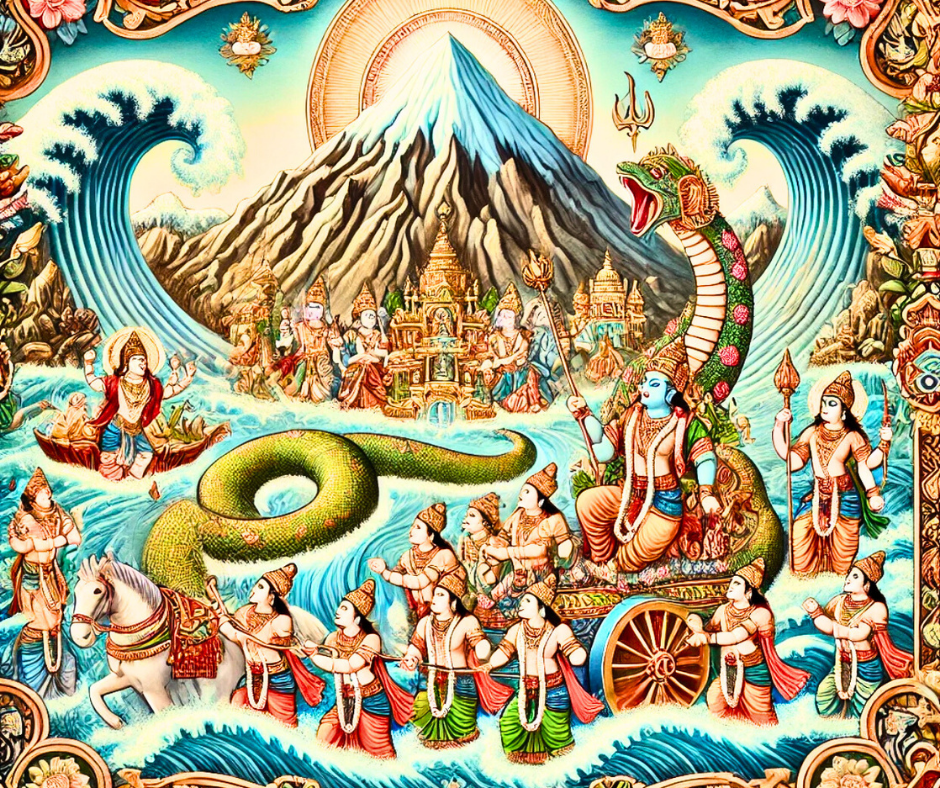
Before we delve into our reading, I’d like to share a beautiful connection between ancient mythology and our yoga practice. The story of Amṛta Manthana (अमृत मंथन) – the Churning of the Ocean of Milk – offers us a profound metaphor for our yogic journey, particularly in pranayama.
In this cosmic tale, devas and asuras churned the ocean using Mount Mandara as the churning rod and the serpent Vasuki as the rope, while Lord Vishnu, in the form of a turtle (Kurma), supported the mountain. BKS Iyengar brilliantly reinterprets this mythology in the context of our practice:
“This churning of the mountain is nothing but inhalation and exhalation. Like the mountain churning the ocean, the spine acts as a churning rod for breath in our body.”
Just as the mythological churning produced amrita (the elixir of immortality), our pranayama practice generates what Iyengar calls “jīvāmṛta” – our own internal elixir of life. This beautiful parallel reminds us of the profound depth within our practice.
Our previous discussion – of part 1
In our last session we explored Part One of “The Tree of Yoga,” diving deep into Iyengar’s elegant metaphor of yoga as a living tree. Our discussion brought to life how each element – from the roots of Yama to the fruits of Samadhi – forms an interconnected whole. The group engaged thoughtfully with key concepts including the simultaneous growth of the eight limbs, yoga’s universal accessibility, and the distinction between belief and faith. Our rich dialogue reflected on how these teachings remain deeply relevant to our modern practice and daily lives. Click on the Picture to view it on Youtube
Practice Wisdom
Remember to approach your reading mindfully, allowing space for both intellectual understanding and personal reflection. Just as the cosmic churning produced nectar, may our study together yield the sweet fruits of wisdom and understanding.
Looking forward to our shared exploration! 🙏
With gratitude,
Agi
Who are Yoga Readers?
Our Yoga Readers community is a diverse and passionate group, primarily composed of yoga practitioners, teachers, and enthusiasts based.
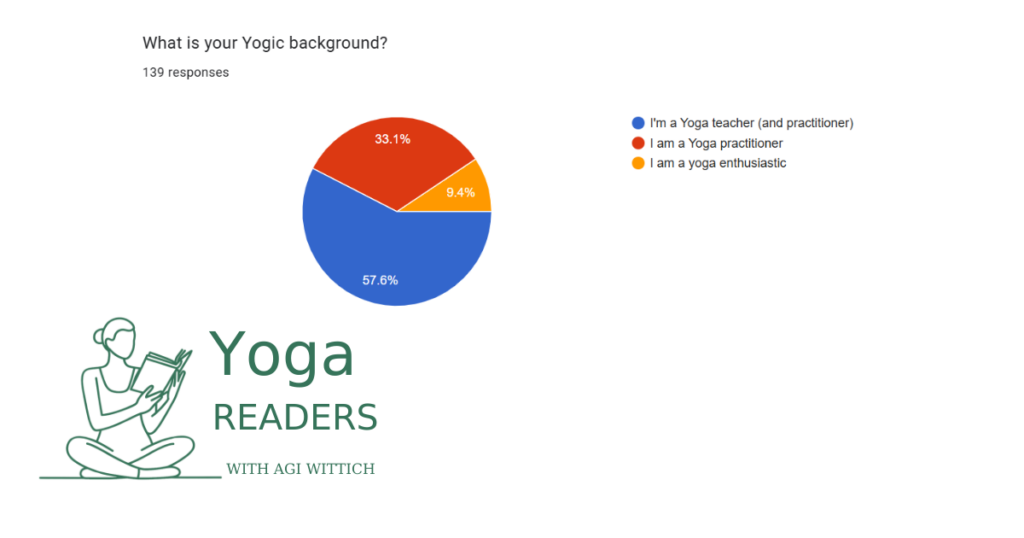
A significant portion of our community is familiar with foundational yogic texts such as Patanjali’s Yoga Sutras, the Bhagavad Gita, and the Upanishads, providing a rich common ground for nuanced discussions. At the same time, those who are new to these texts find the group’s supportive atmosphere ideal for learning and growth, as experienced members often share insights and context to make these works more accessible.
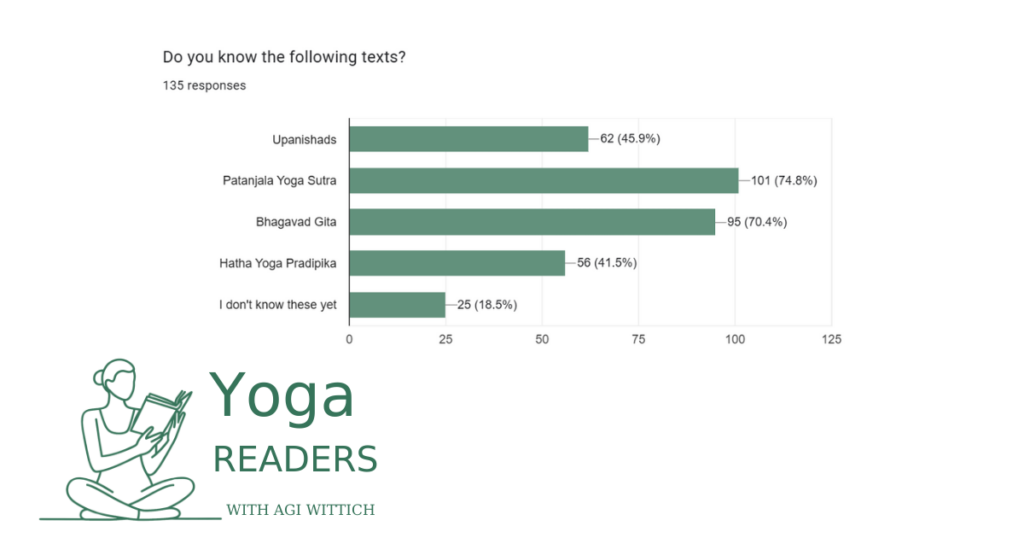
The community’s varied levels of experience and familiarity with classical texts bring unique perspectives to our discussions, allowing seasoned readers to deepen their insights and newer members to build a strong foundation. We aim to create a space where everyone feels supported in their journey of exploring yoga’s philosophical dimensions—whether revisiting beloved texts or discovering them for the first time.
Our shared love for yogic philosophy creates an environment where questions, reflections, and diverse interpretations are welcomed.