Yoga Readers: Light on Life 2026
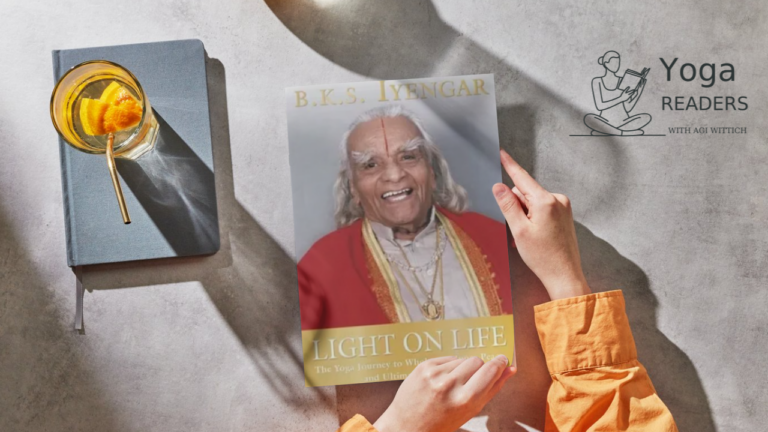
A global reading journey through B.K.S. Iyengar’s luminous map of the inward journey — from the physical body to the divine core, and into living freedom. We return to Light on Life this autumn, welcoming many

A global reading journey through B.K.S. Iyengar’s luminous map of the inward journey — from the physical body to the divine core, and into living freedom. We return to Light on Life this autumn, welcoming many
Brahmapurī and the Yogic Architecture of the Self When we practice yoga, we often hear that “the body is a temple.” But what does this metaphor actually mean within the yogic tradition? And why does B.K.S.
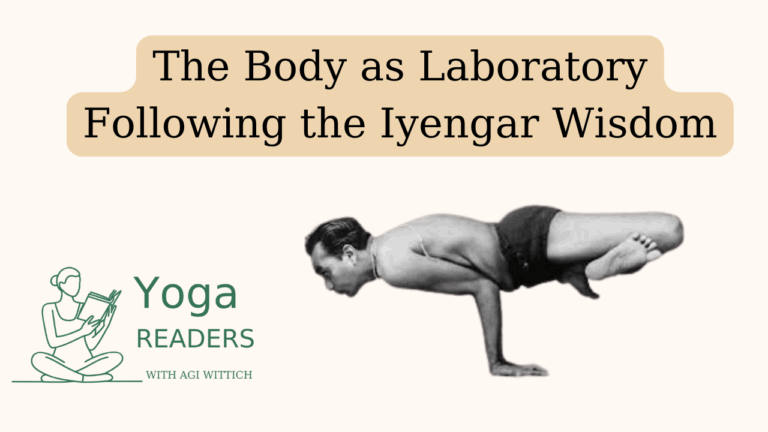
“To a yogi, the body is a laboratory for life, a field of experimentation and perpetual research.”—B.K.S. Iyengar This insight from Guruji is not a metaphor but a method. In the Iyengar tradition, the mat is
The moment you discover you’re carrying new life, everything changes. Your body becomes a vessel of creation, your breath sustains two beings, and every movement carries profound responsibility. In “Yoga: A Gem for Women,” Geeta Iyengar
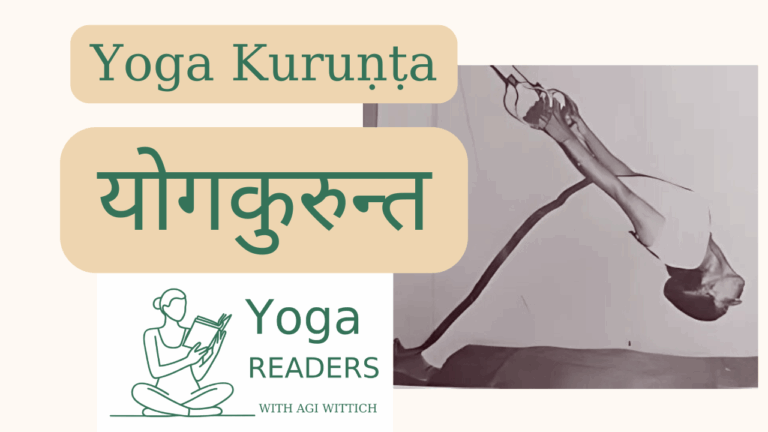
From its intriguing name to its profound effects, Yoga Kurunta offers a fascinating approach to yoga practice that makes challenging postures accessible while deepening our understanding of alignment and movement. As Geeta Iyengar beautifully explains in
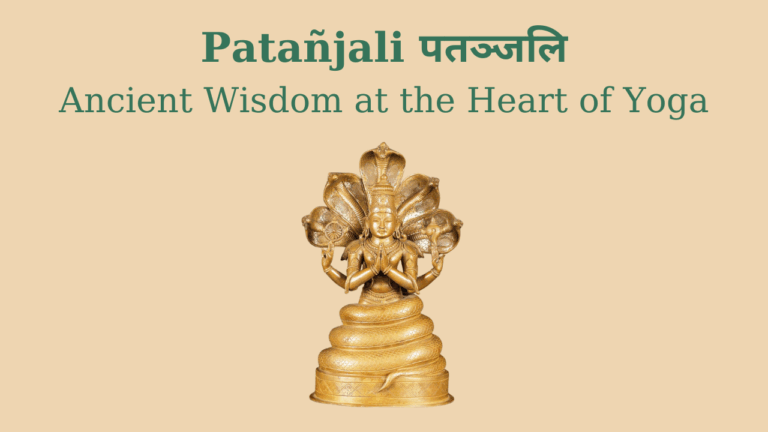
When we speak of yoga today, our minds often turn to physical postures, breathwork, or perhaps even meditation. Yet, beneath these visible layers lies a profound philosophical bedrock, codified by an ancient sage whose insights continue
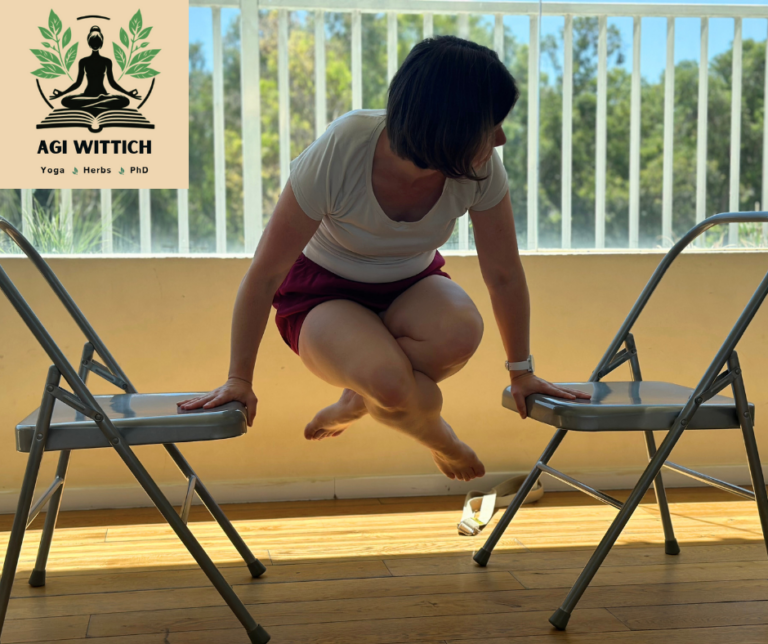
In a world where uncertainty and loss of control have become increasingly common experiences, the practice of Iyengar yoga offers a powerful framework for reclaiming personal agency and autonomy. Through its unique approach to individualized practice,
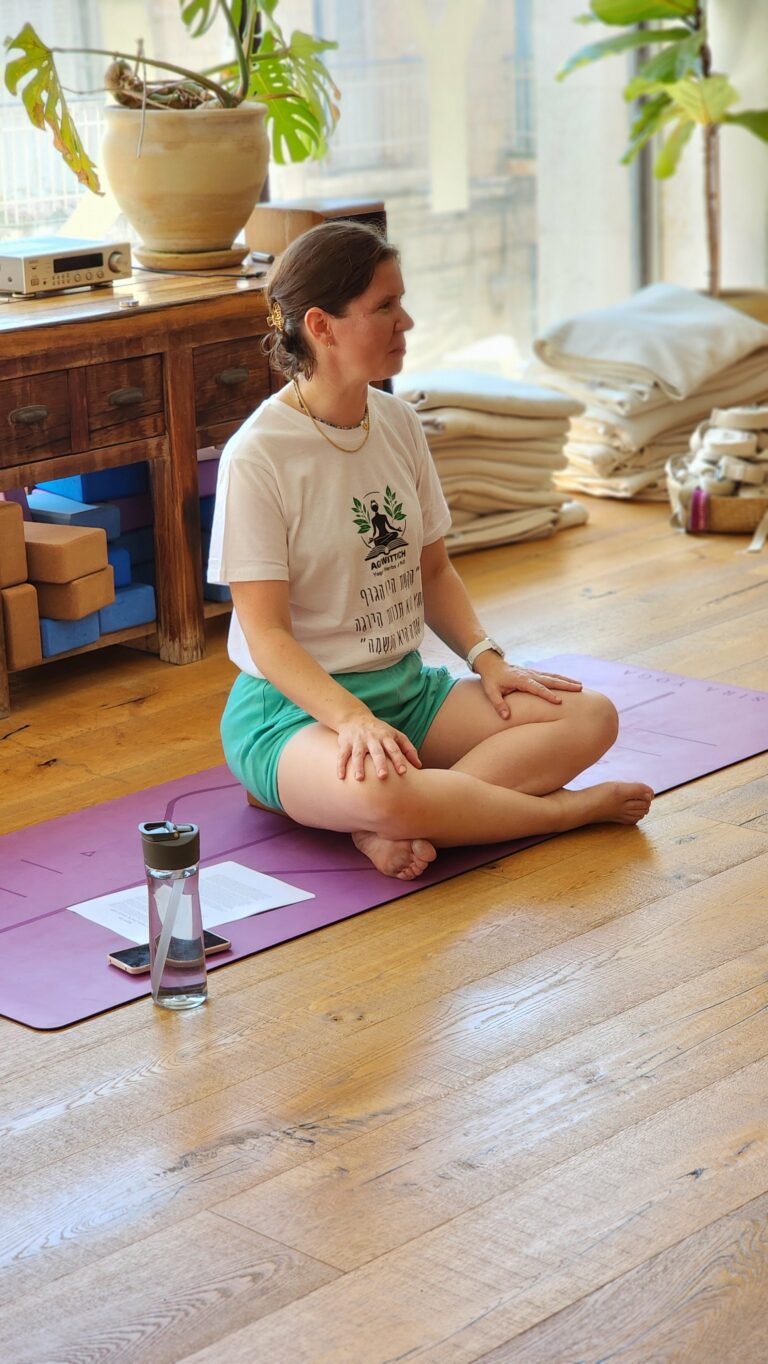
Breath is our constant companion on life’s journey – from our first inhale at birth to our final exhale at death. In the practice of trauma-sensitive Iyengar yoga, this natural rhythm becomes a powerful tool for
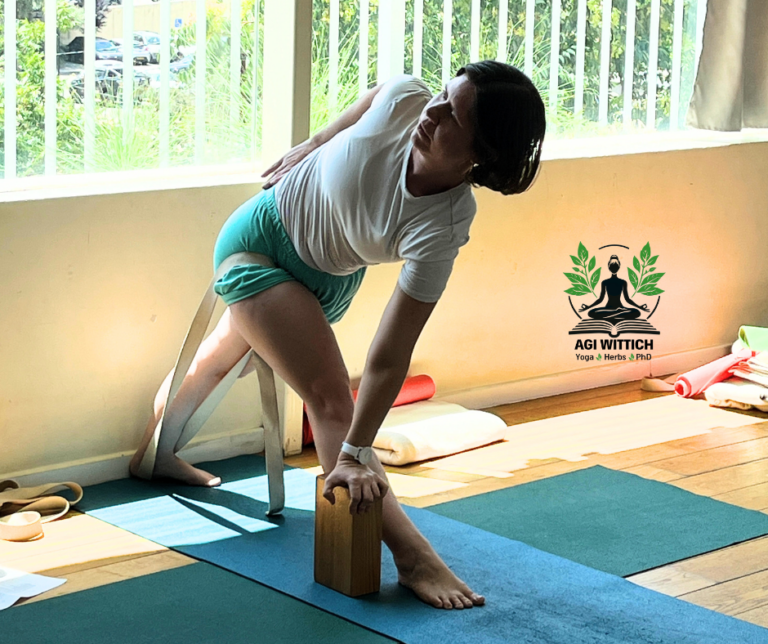
In the therapeutic landscape of trauma-informed Iyengar yoga, standing poses (asanas) emerge as powerful tools for healing and transformation. These foundational postures create a unique bridge between physical practice and emotional recovery, offering practitioners a safe
This downloadable PDF guide offers a comprehensive introduction to Sanskrit pronunciation specifically designed for yoga practitioners. The guide includes: The guide allows you to enhance your connection to yoga’s philosophical foundations. It is suitable for yoga
Explore 3,000 years of yoga wisdom with our free guide to essential yogic texts. From Vedic manuscripts to Medieval Hatha manuals, discover key concepts, historical context, and recommended translations of yoga’s most influential writings. An indispensable
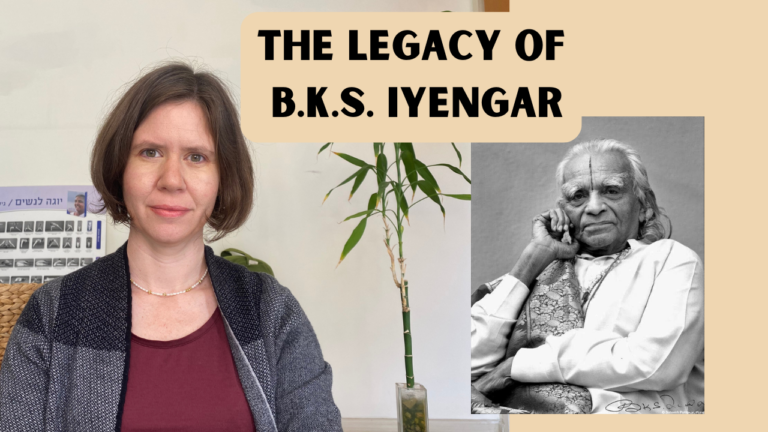
Join me for a commemorative lecture honoring B.K.S. Iyengar’s birth anniversary. Drawing from my doctoral research, this talk explores how Iyengar transformed yoga from a local practice into a global phenomenon while maintaining its spiritual depth.
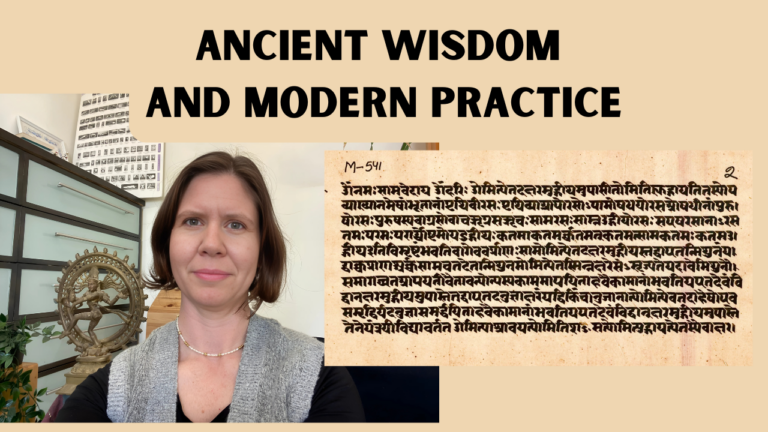
In this lecture we explore the profound relationship between yogic literature and practical experience, discovering how ancient texts can transform our understanding of yoga and deepen our practice in meaningful ways. The journey begins with an
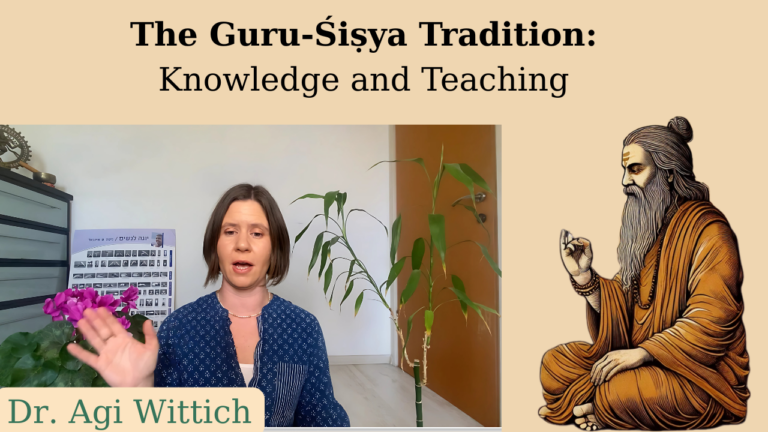
This talk explores the teacher-student (guru-śiṣya) relationship through three pivotal Upanishadic stories (800-500 BCE): Nachiketa’s encounter with Death, Śvetaketu’s lessons from his father, and Yājñavalkya’s philosophical debates. These narratives illuminate the internal qualities necessary for spiritual
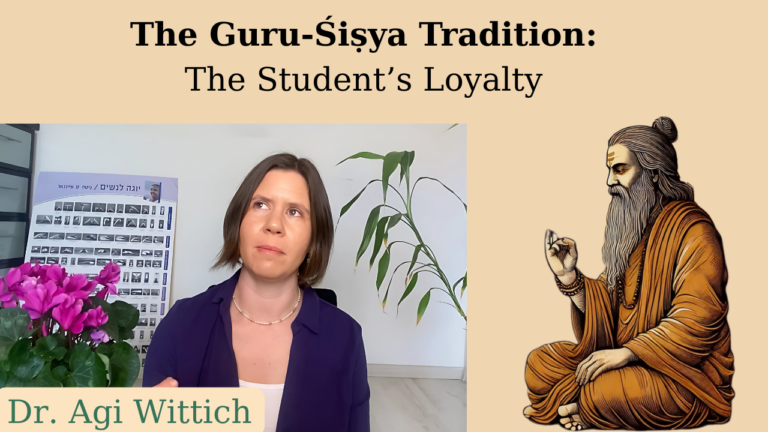
In this second exploration of the guru-śiṣya tradition, we examine unconventional wisdom sources through narratives from India’s epic literature: Dattatreya finding teachers in nature, Lakṣmaṇa learning from his enemy Rāvaṇa, and Bhīṣma offering wisdom from his