Reading: Pages 64–98 (chapters 11-13)
Live Session: March 1, 2026 8am UTC
Zoom links are sent by Newsletter, Facebook and WhatApp
Reading Summary
This technical yet deeply philosophical section establishes the physical foundations necessary for prāṇāyāma practice. Iyengar provides extraordinarily detailed instructions for sitting postures, emphasizing that the body becomes a temple when properly aligned for breath practice. The extensive discussion of padmāsana reveals how this “king of postures” creates optimal conditions for prāṇic flow and mental equilibrium. The preparation of the mind receives equal attention, with emphasis on the receptive, witnessing quality of consciousness needed for subtle breath work. The three principal bandhas are introduced as energetic seals that prevent the dissipation of prāṇa and direct it toward spiritual awakening. Jalādhara bandha humbles the intellect, uddīyāna lifts the life force upward, and mūla bandha transforms sexual energy into spiritual power. Throughout, Iyengar maintains that physical mastery serves the deeper purpose of consciousness transformation.
Questions to Guide Your Reading
Read these before you start the assigned pages. They’ll help orient your attention.
In the Bhagavad Gītā passage quoted about sitting for meditation, what specific materials does Kṛṣṇa mention for the seat?
What does “jalādhara bandha” literally mean, and how does it affect the solar and lunar plexuses?
What is the difference between uddīyāna bandha and mūla bandha in terms of which body areas they engage?
According to the text, what are the three crucial spots to be aware of in correct sitting posture?
What does Iyengar mean when he compares the spine to an Indian lute (vīṇā)?
Reflection prompts
Read these during or after you read to connect the teachings with your embodied experience.
How does your experience of sitting for prāṇāyāma change when you focus on detailed alignment principles?
What challenges do you face in maintaining alertness while keeping the brain passive during prāṇāyāma practice?
How does understanding the body as a “temple” or “field” change your relationship to physical practice?
Notes from our Sessions
Why does Iyengar insist that sitting correctly is essential for prāṇāyāma? Why is Jālandhara Bandha considered non-negotiable — even protective? Are bandhas physical locks, energetic valves, or something subtler?
In this session of Yoga Readers, we explore Chapters 11–13 of Light on Prāṇāyāma and unpack the difference between sitting for meditation and sitting for prāṇāyāma; Why Padmāsana is called “the king” — and why other postures still matter The three crucial internal points of alignment; How posture affects the mind; Why prāṇāyāma must never be mechanical
If you’ve ever felt confused about bandhas, alignment, or the ethics of breath practice — this session will bring clarity.
Want to Go Deeper?
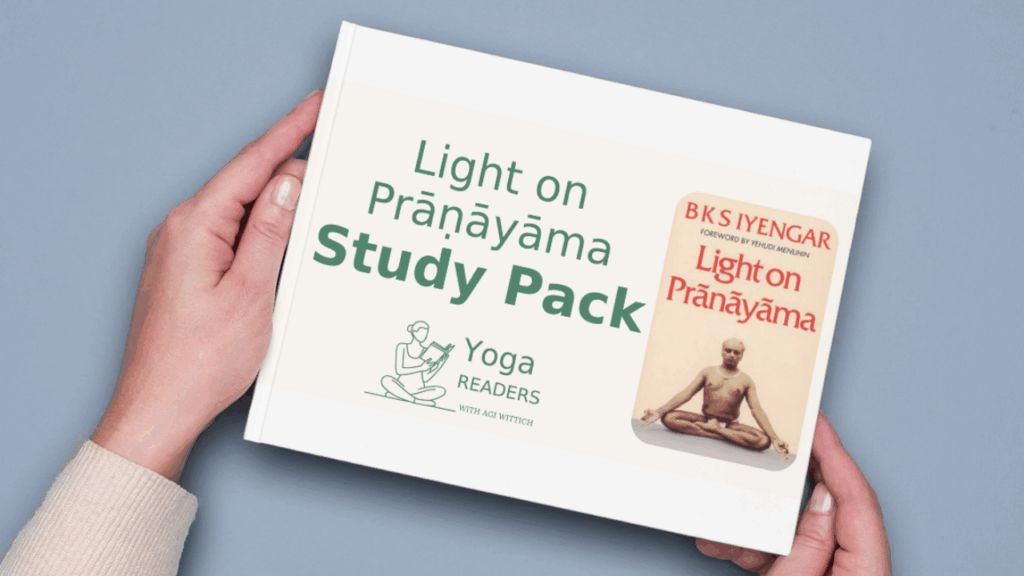
This session is part of the Light on Prāṇāyāma Study Pack – a complete resource for those who want ongoing access to all the recordings, study questions, and materials from this cycle.
The Study Pack includes all session recordings (watch and rewatch at your own pace), the complete Study Companion PDF with reading schedule, focus questions, reflection prompts, and practical tools for teaching, key Sanskrit terms with explanations, and a curated bibliography for further exploration.