Yoga Readers: Light on Life 2026
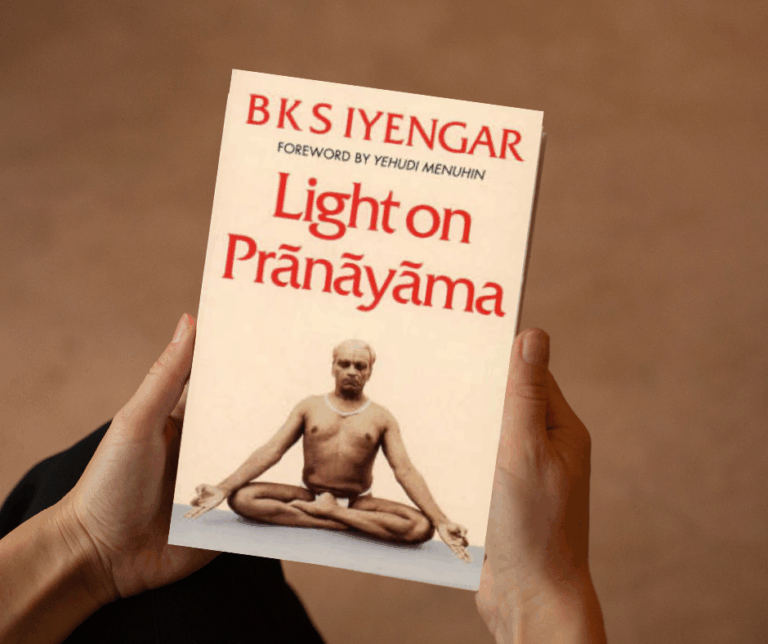
A global reading journey through B.K.S. Iyengar’s luminous map of the inward journey — from the physical body to the divine core, and into living freedom. We return to Light on Life this autumn, welcoming many

A global reading journey through B.K.S. Iyengar’s luminous map of the inward journey — from the physical body to the divine core, and into living freedom. We return to Light on Life this autumn, welcoming many
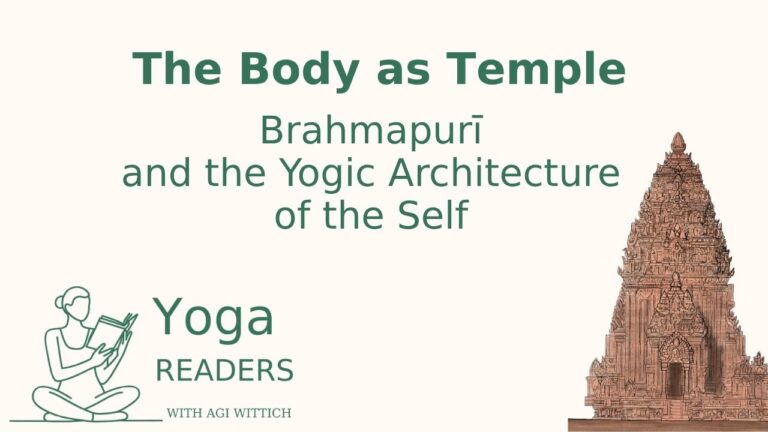
Brahmapurī and the Yogic Architecture of the Self When we practice yoga, we often hear that “the body is a temple.” But what does this metaphor actually mean within the yogic tradition? And why does B.K.S.
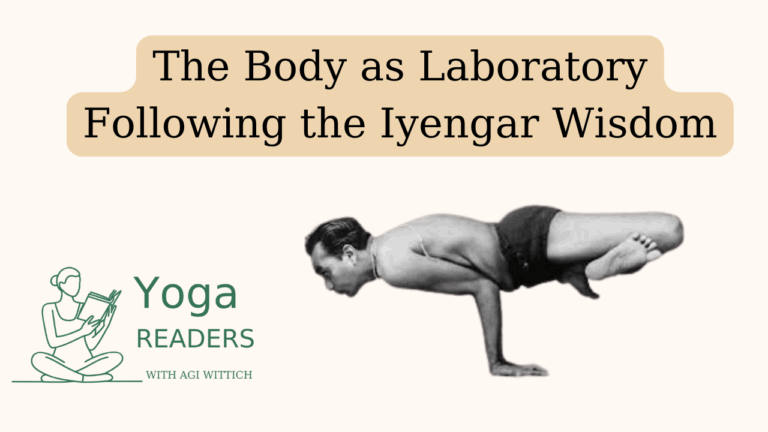
“To a yogi, the body is a laboratory for life, a field of experimentation and perpetual research.”—B.K.S. Iyengar This insight from Guruji is not a metaphor but a method. In the Iyengar tradition, the mat is
According to Geeta S. Iyengar’s “Yoga – A Gem for Women,” buddhi (intelligence) serves as a cornerstone in the practice and understanding of yoga. Far beyond mere intellectual capacity, buddhi represents the higher discriminating faculty of
According to Geeta Iyengar’s “Yoga – A Gem for Women,” the human body consists of five sheaths or layers, known as kośas. These layers extend from the outer physical body to the innermost spiritual essence, each
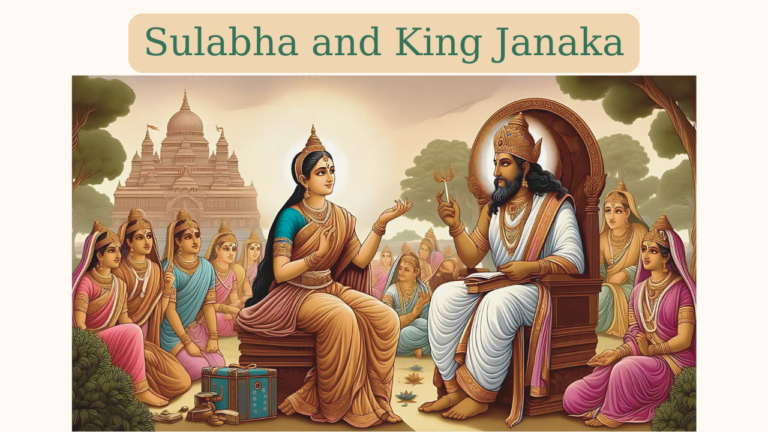
In the vast tapestry of yogic history, certain encounters stand as powerful testimonies to the universality of spiritual wisdom. The debate between Sulabha and King Janaka, as mentioned in Geeta Iyengar’s “Yoga – A Gem for
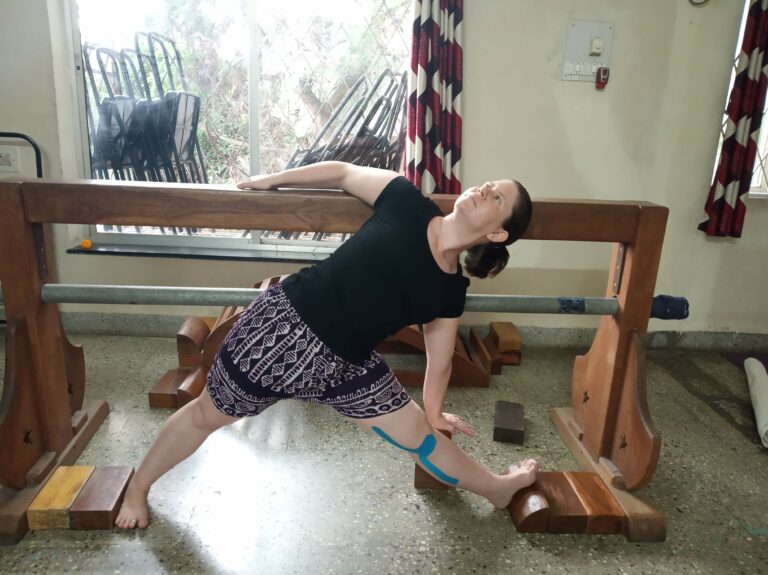
In the context of contemporary trauma-informed yoga therapeutics, the significance of mindful transitions between asanas emerges as a fundamental principle, particularly for individuals managing trauma responses and those experiencing secondary trauma through their relationships with trauma
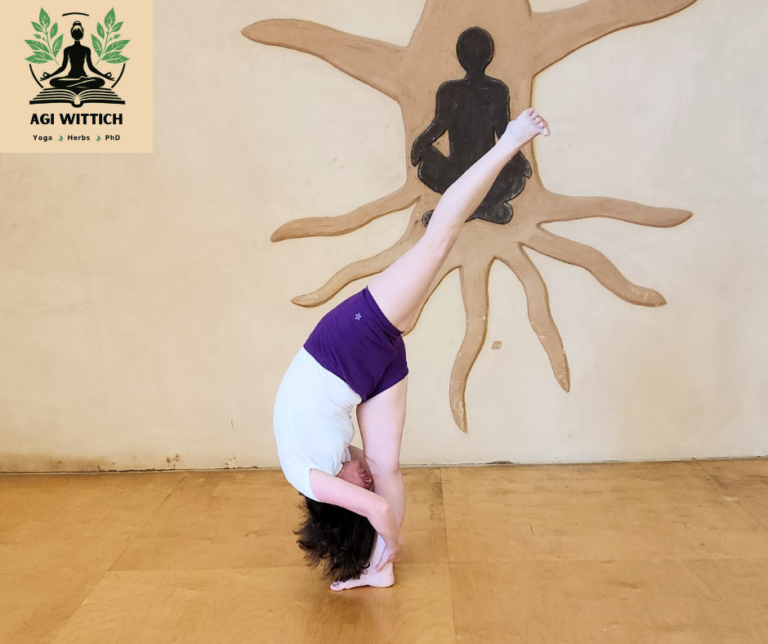
In the therapeutic application of Iyengar yoga, particularly within trauma-informed contexts, the concept of the “window of tolerance” emerges as a crucial framework for understanding and facilitating psychological resilience. I find it very helpful. This theoretical
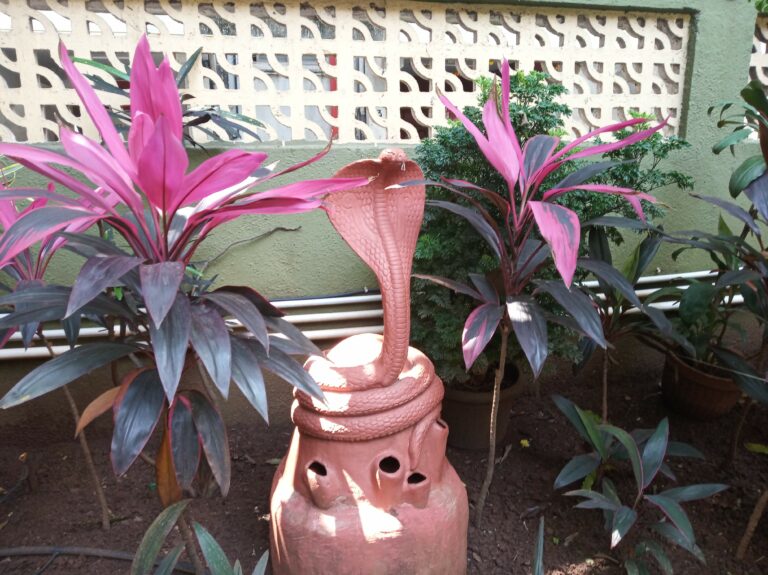
In the sacred space of Iyengar Yoga, particularly within trauma-informed settings, we encounter a fundamental truth: the recognition and respect of body boundaries forms the cornerstone of our practice. This principle takes on profound significance when
This downloadable PDF guide offers a comprehensive introduction to Sanskrit pronunciation specifically designed for yoga practitioners. The guide includes: The guide allows you to enhance your connection to yoga’s philosophical foundations. It is suitable for yoga
Explore 3,000 years of yoga wisdom with our free guide to essential yogic texts. From Vedic manuscripts to Medieval Hatha manuals, discover key concepts, historical context, and recommended translations of yoga’s most influential writings. An indispensable